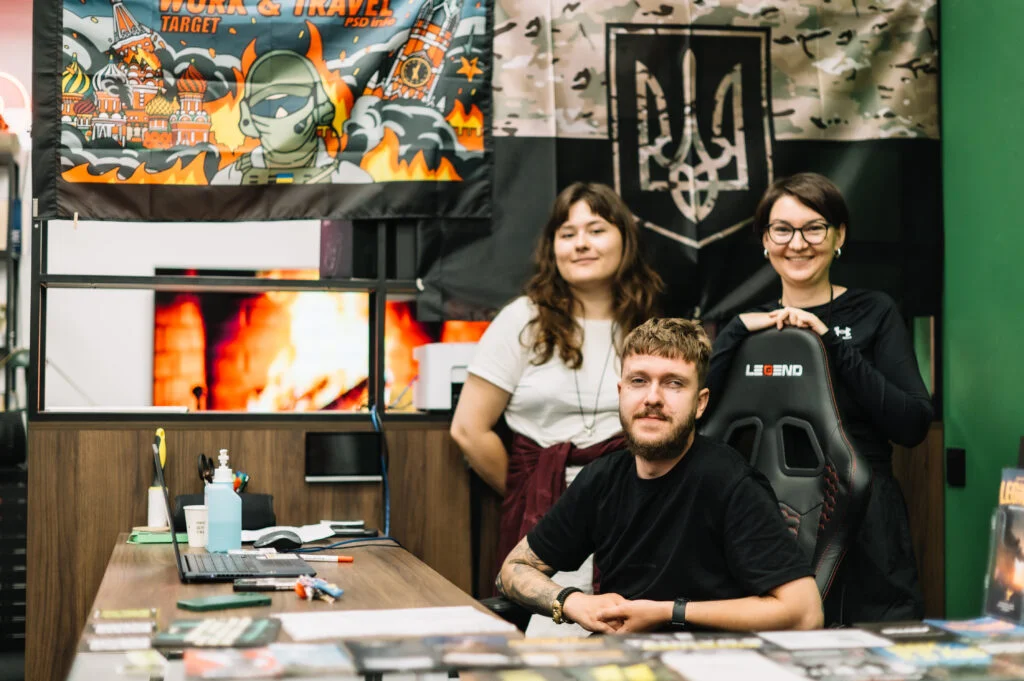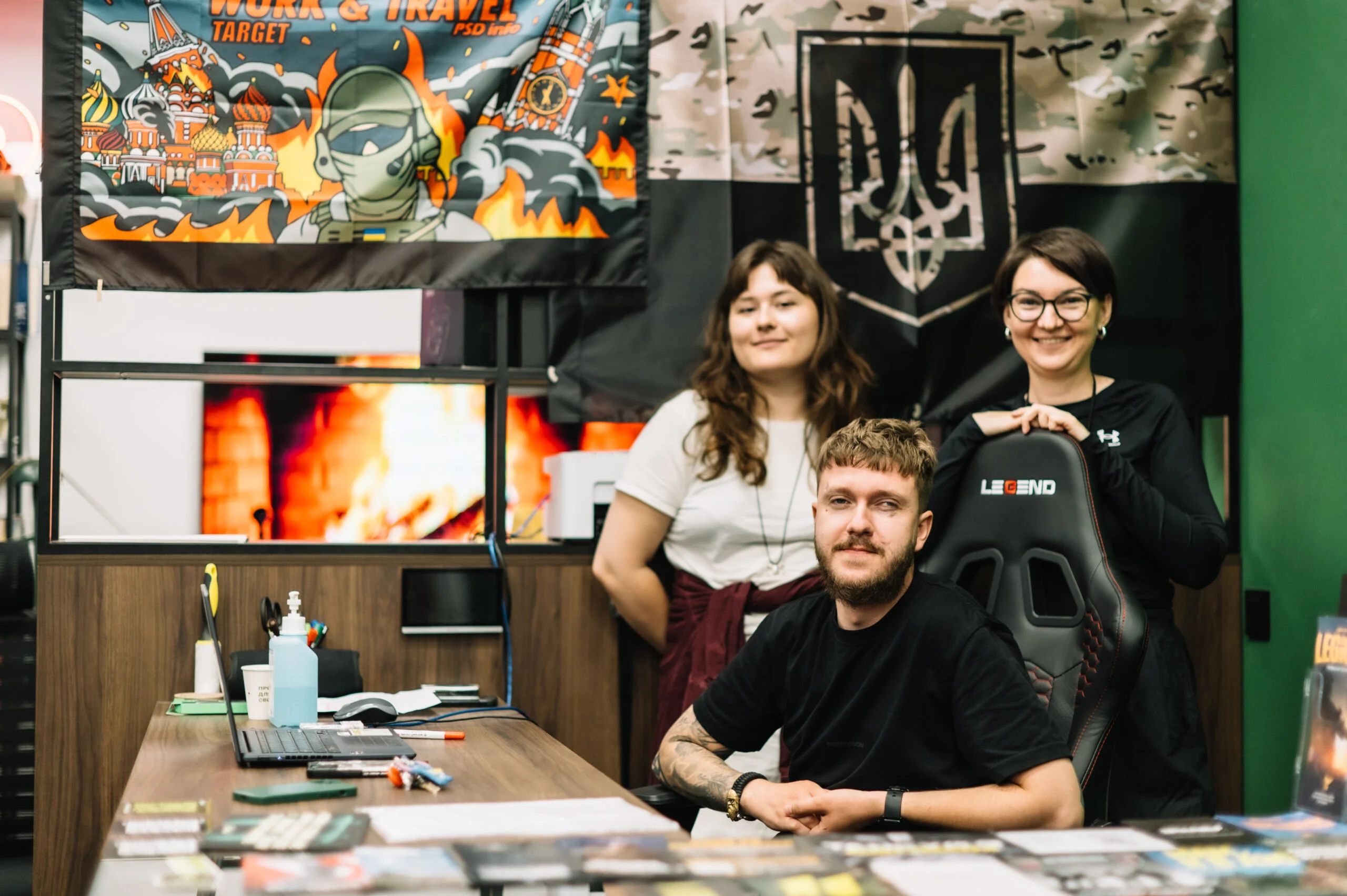
Gentle militarization, connection to reality, and civil-military partnership are the three pillars on which the Halt military project by Zagoriy Foundation is built. Halt emerged in 2023 out of the need for service members and veterans to have a safe space to meet with their peers.
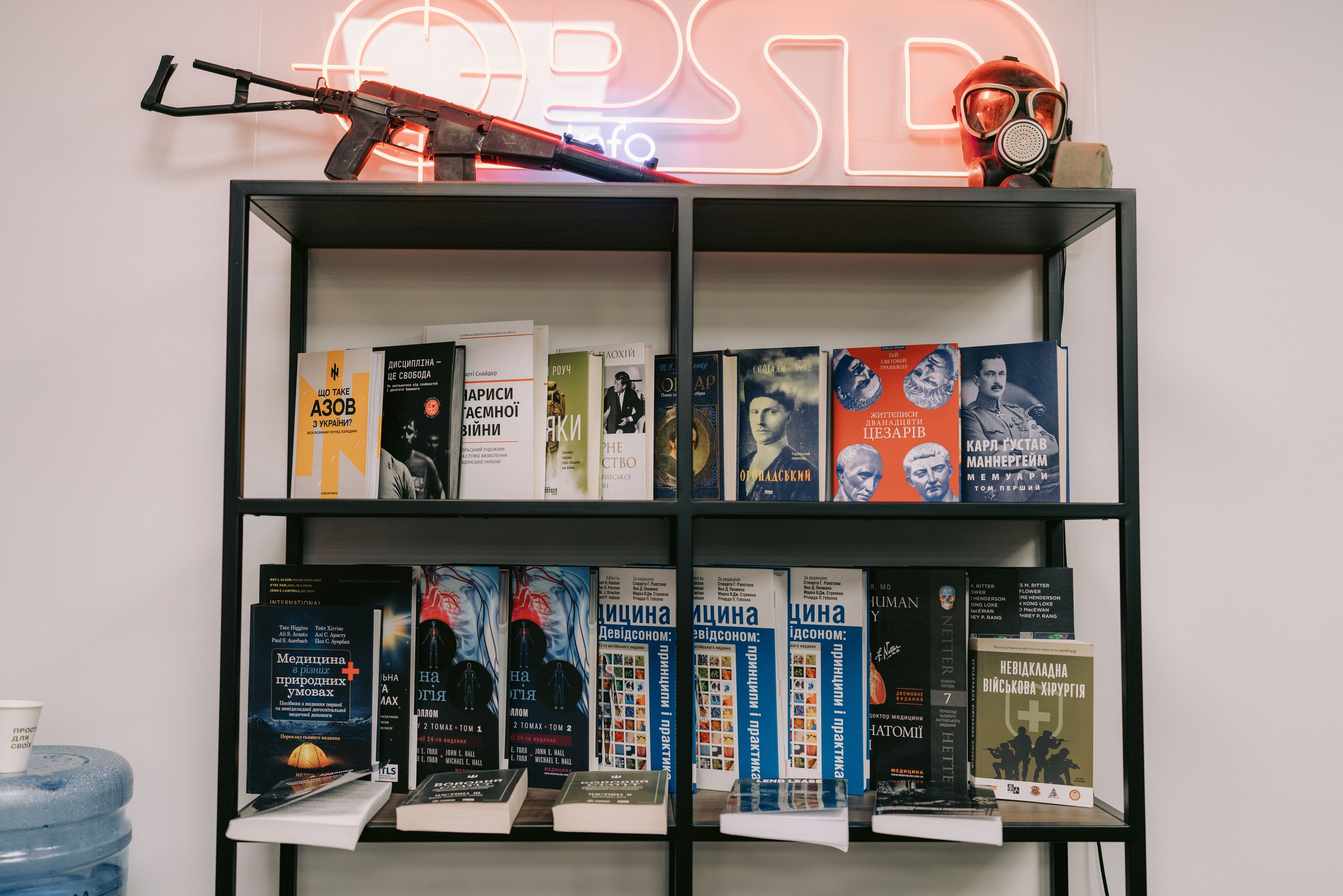
Initially, the project’s space operated in a closed format in downtown Kyiv. With beanbag chairs and a PlayStation, its own military library of over 500 books, drone flight simulators, and rooms for meetings and small events, Halt provided a place where service members and veterans could meet for coffee, hold strategy sessions, give presentations, and host other private events.
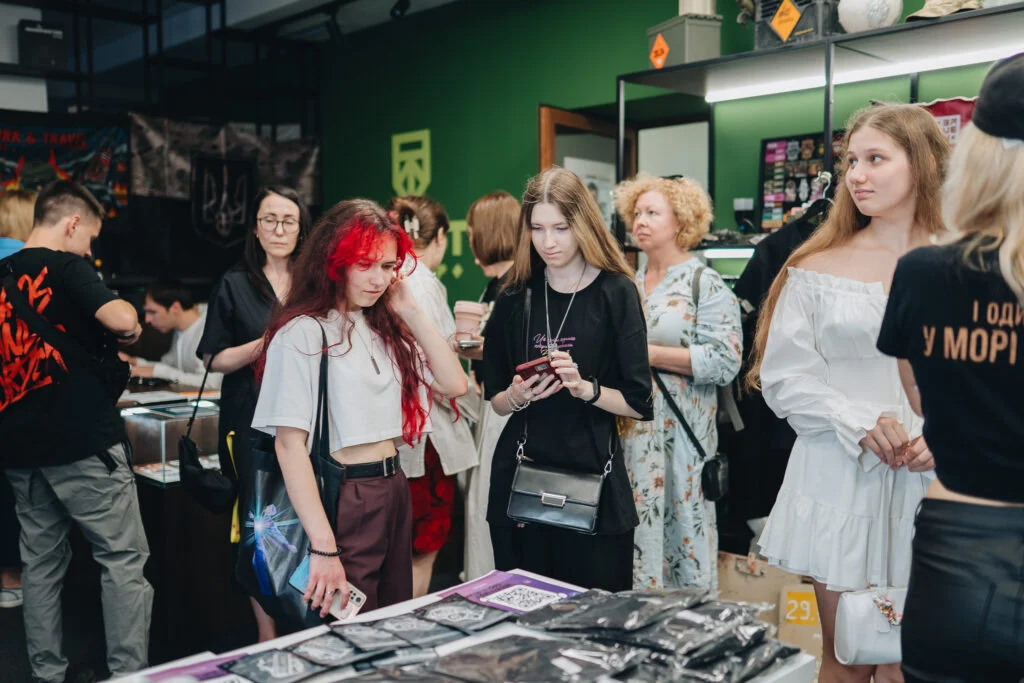
Its transformation into a more open space took place in 2025. The Zagoriy Foundation team recognized the need to bring the military and civilian worlds together and “bridge” them. This required a place where these two realities could meet.
Now Halt is a project open to any kind of interaction between military personnel and civilians.
Read about “gentle mobilization,” the concept of Total Defense, working with teenagers, and the space’s first original products in an interview with Valentyna Polovynka, head of Halt.
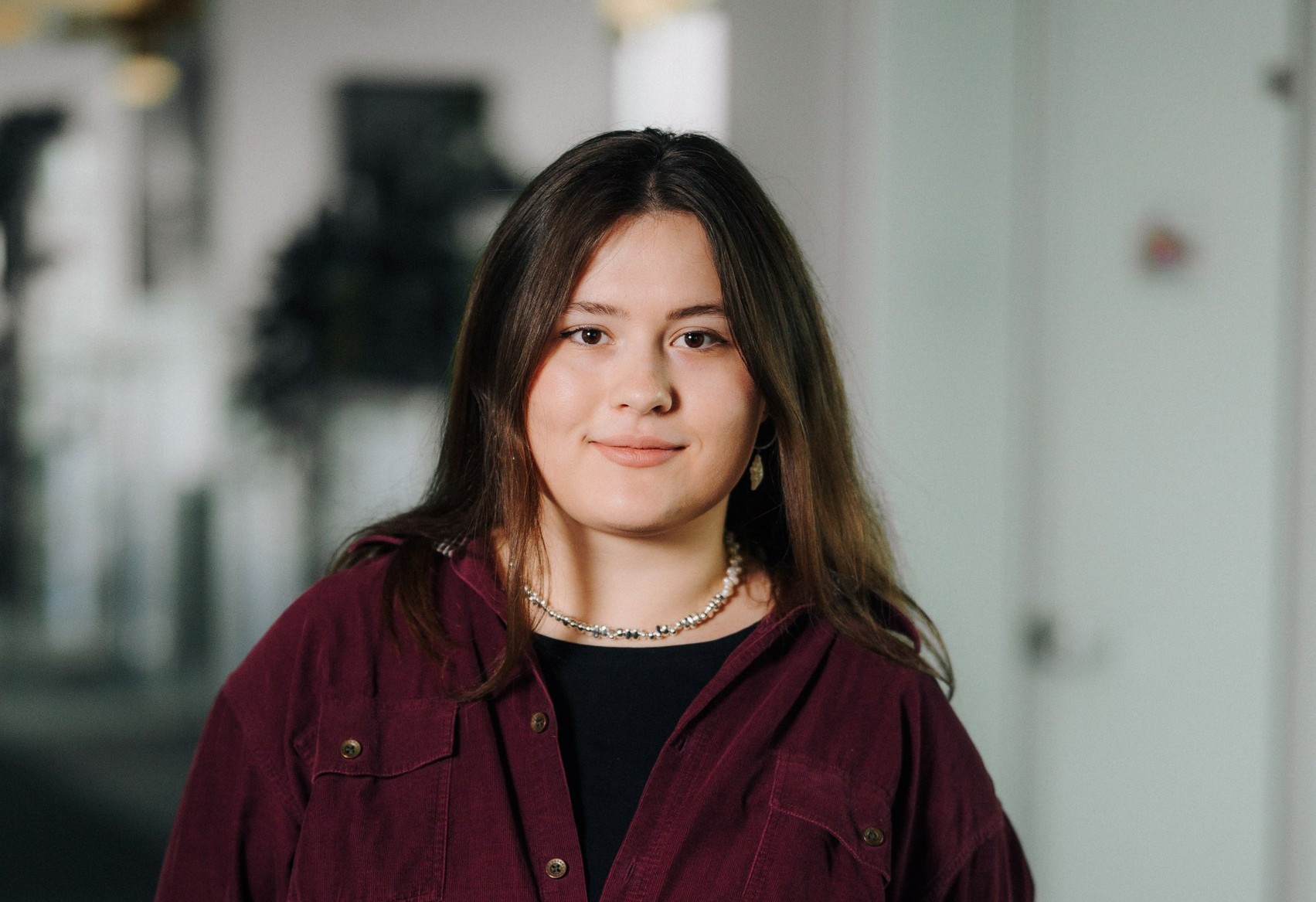
How did the space transformation take place, and what is the project’s mission today?
When Halt first opened in 2023, it was meant to be a gathering point, a safe place for the like-minded people. Among our first partners and residents was the PSD community. We wanted to create truly great conditions — a dignified and safe space exclusively for military personnel and veterans.
By the end of 2024 and beginning of 2025, Halt evolved into a military project with a more open-format space. Any unit of the Defense Forces can share its experience and knowledge here, while civilians — those who understand that the war will not end and the enemy will not disappear — can come, acquire these military skills, talk to active-duty service members, and decide how to support the military in their own way.
We see Halt’s mission as bringing together service members, veterans, and civilians to develop a military-civilian partnership.
Our vision is a society ready to fight the enemy and defend itself — the one that can mobilize, rise up, and act at a moment’s notice. This doesn’t necessarily mean literally enlisting in the military, but, for example, knowing exactly what skills you have and where they can be applied.
Right now, we like the concept of Total Defense implemented in the Scandinavian countries. It essentially means that the military and civilian society are equally prepared to fight any enemy.
It’s nice that Halt, even in its open format, still remains a place for the like-minded people, for the people who come to us are truly like-minded and motivated individuals. They don’t need to be told why they should interact with the military and learn first aid or fly drones. They already understand what role they will play in this war and in all future wars.
People often tell us that we think negatively — that “tomorrow will be worse.” But we truly believe that tomorrow will be worse, because this is war. And for things to be a little better for us tomorrow, we need to be prepared.
How exactly do you prepare civilians for this “tomorrow” at Halt? What is your product?
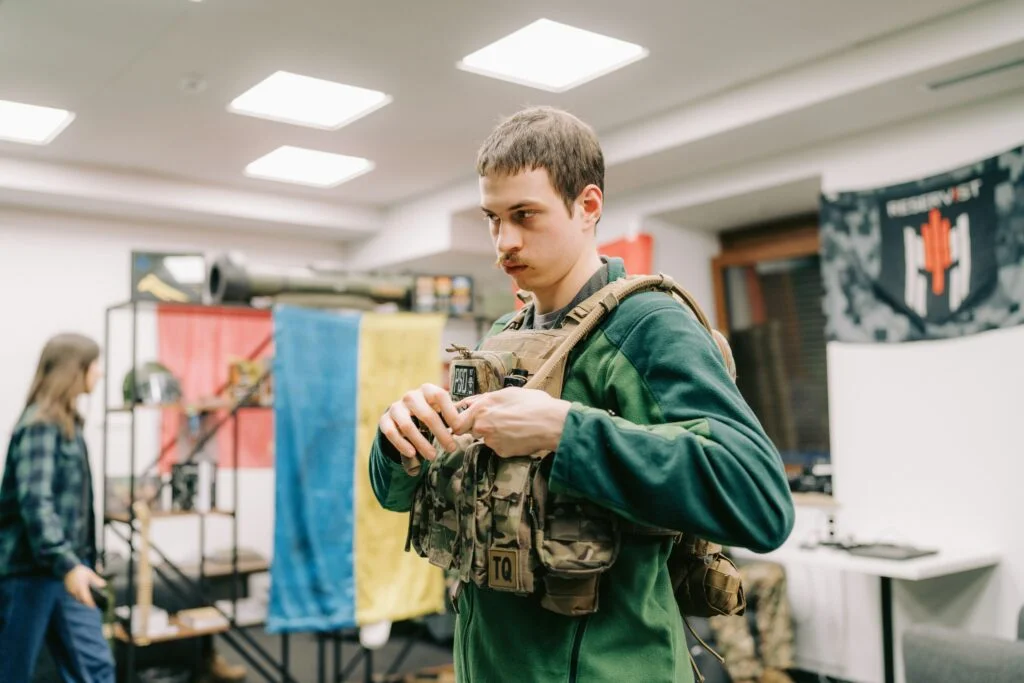
The Halt space itself is the first product. Essentially, it is a place where people reconnect with reality. It is where you come to understand what’s happening right now, the cause-and-effect relationships involved, and what your responsibility is in all of this. It’s where you learn to defend yourself and find ways to support the military.
Ukraine’s future indeed can’t exist without the military, and we need to accept that. We simply have to accept that the military is, in fact, what guarantees our future.
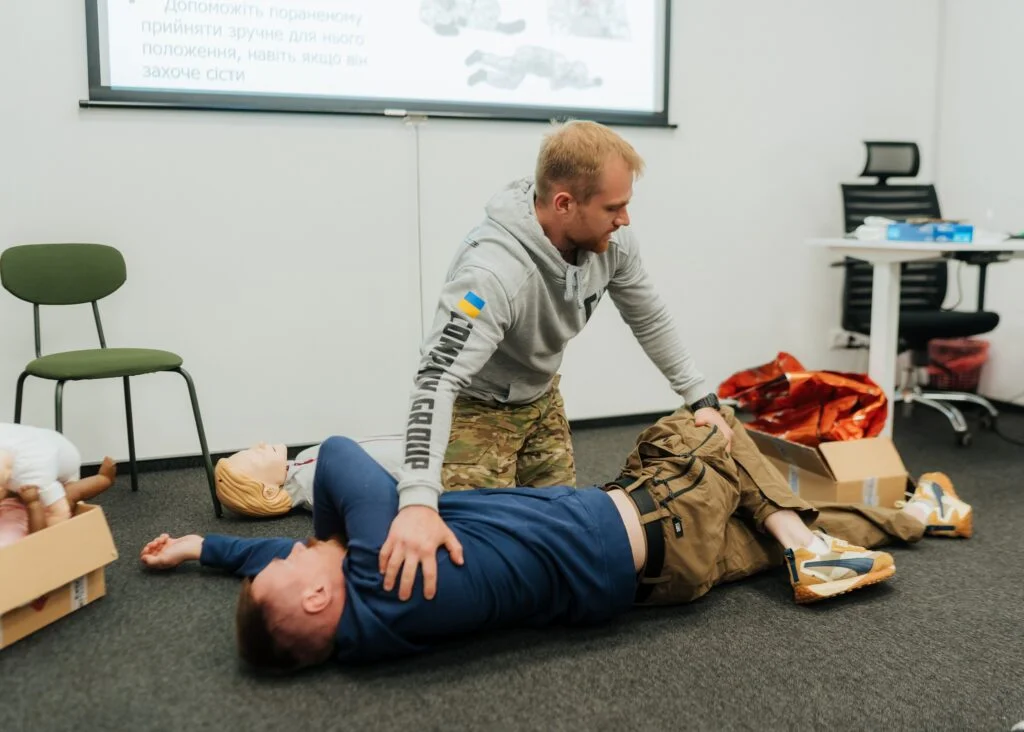
A separate Halt initiative, launched in 2025, is “Dni Hartu” (Military Training Days). It is a three-day program teaching military skills to civilians in exchange for donations. It covers the basics of UAVs, engineering, and first aid. For “Dni Hartu,” we bring in lecturers from the Azov Standard-Bearer Service and instructors with combat experience. This is exactly the way to gain the knowledge that will help you protect yourself. To date, we have already held three training sessions for 82 civilians, managing to raise UAH 109,000 for our partner unit, the Revenge Group.
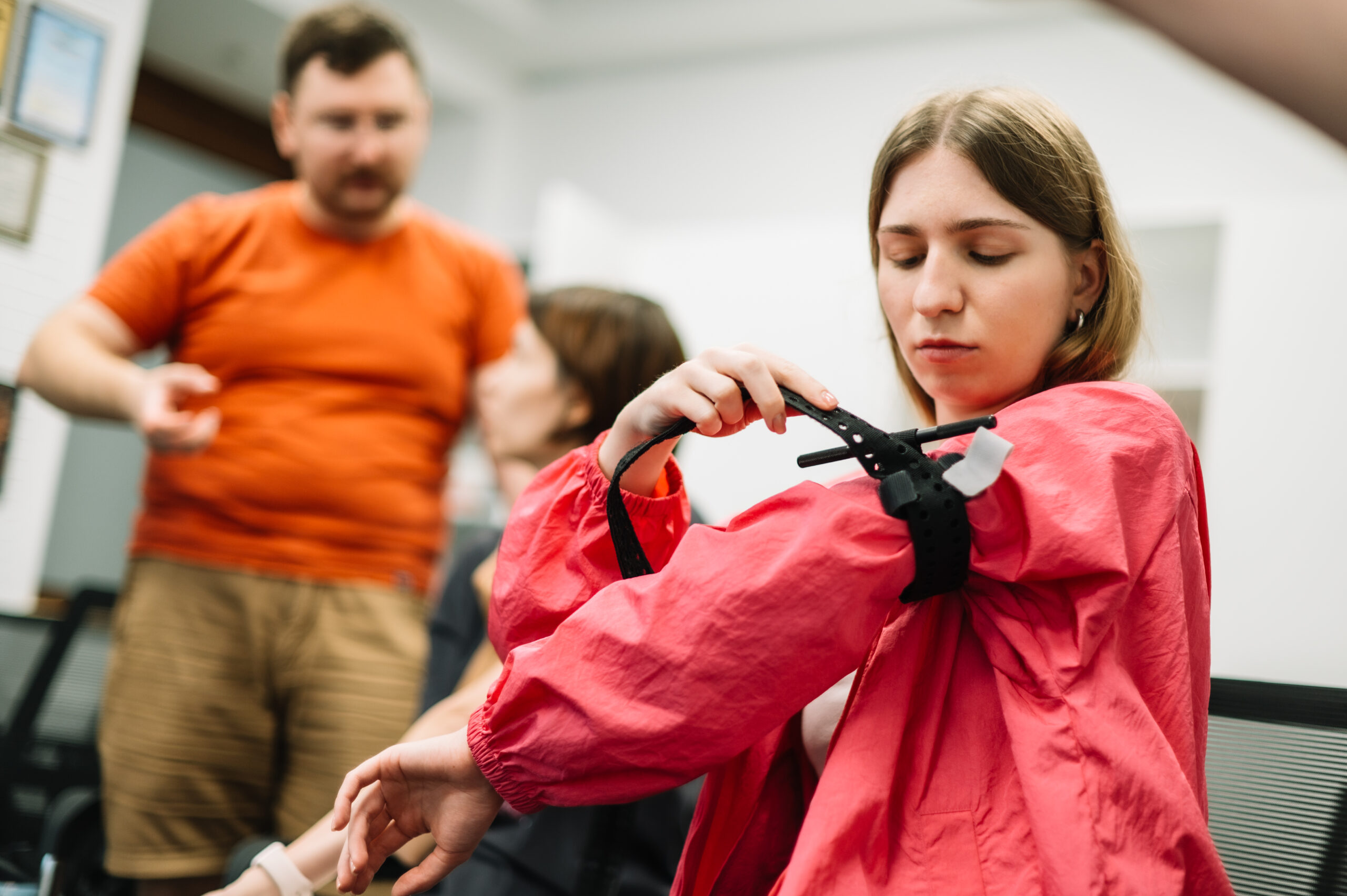
The space also regularly hosts educational lectures, such as those on Ukrainian history, civil society, cybersecurity, etc., by active-duty military personnel, veterans, historians, and political experts. We had 3,359 unique visitors in 2025.
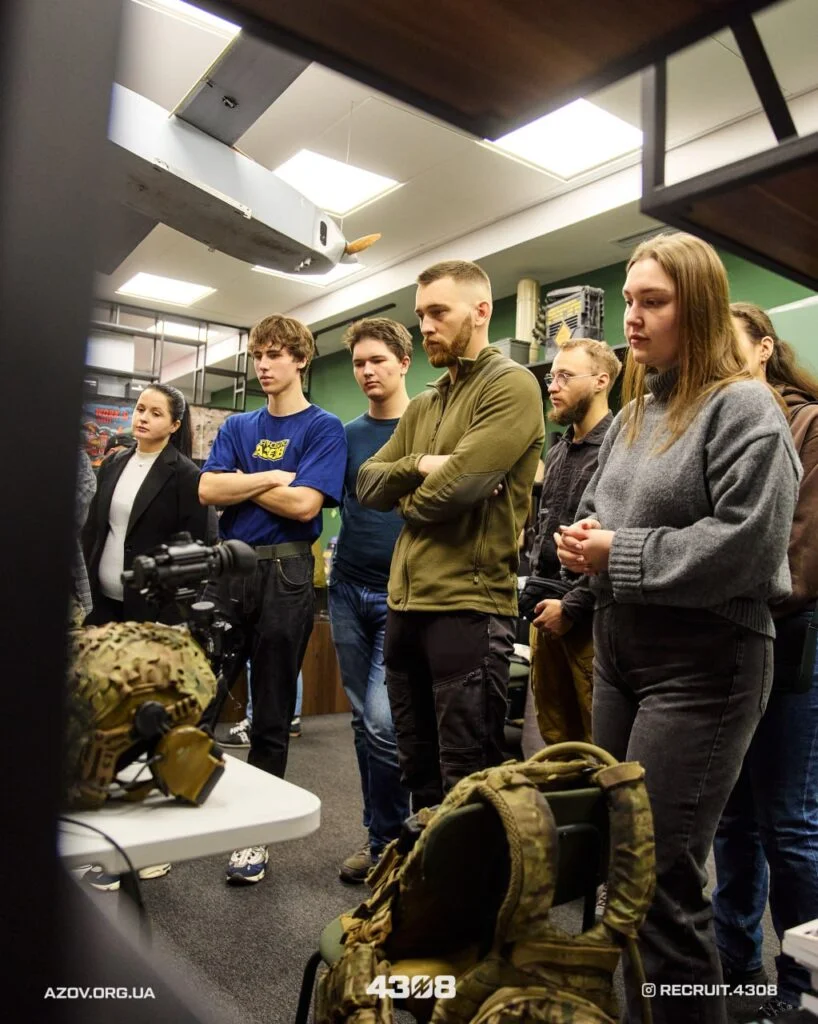
The second story is about recruitment events, but not the kind of recruitment we are used to seeing. It is about coming to get to know a specific unit that interests you, talking to active-duty military personnel, and seeing real weapons or drones. No one is pressuring anyone to do anything here. We just offer the first glimpse into this military “scene” — a chance to ask questions in person that you wouldn’t be able to ask while watching a YouTube interview.
Which Defense Forces units do you work with? Are they all able to host their own events at Halt?
We have long-standing partners among the units with whom we develop joint projects. These are Azov, Revenge Group, and PSD.
We have signed memorandums with them and involve them in creating joint projects. This format of long-term partnership is valuable, as we understand their strategic goals. And when new projects, ideas, or events emerge at Halt, we see where we can be of mutual benefit.
However, Halt’s strength lies precisely in the fact that we are not a space dedicated to a specific unit. We are a civil society organization providing a space with all its opportunities to all Defense Forces units.
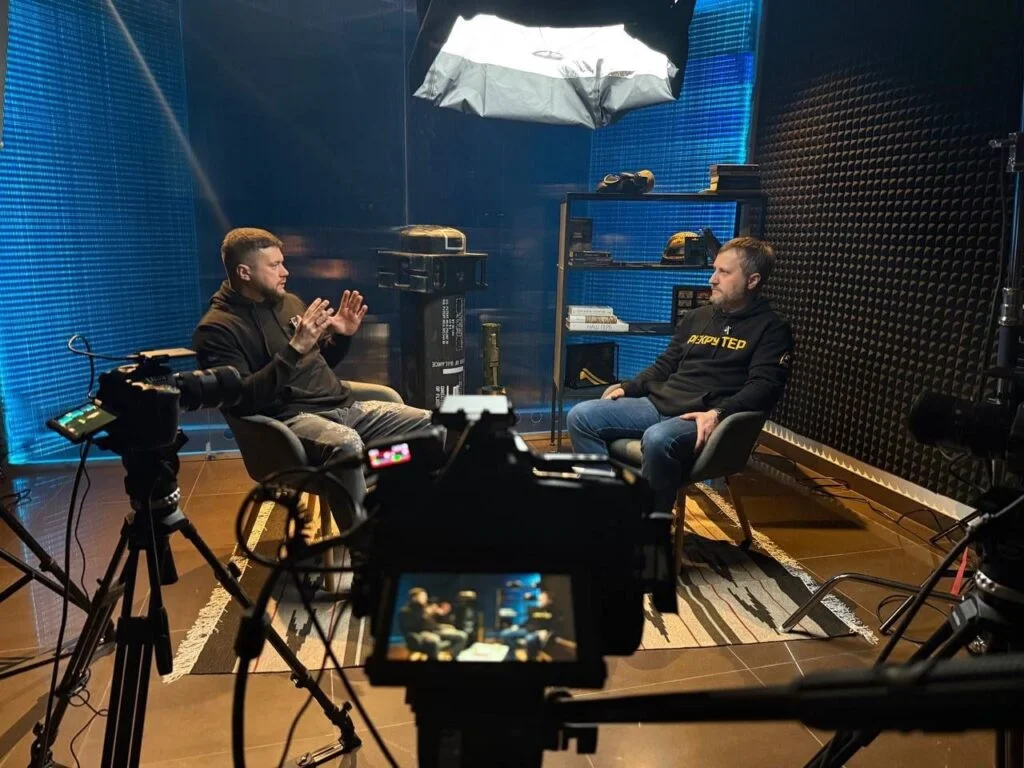
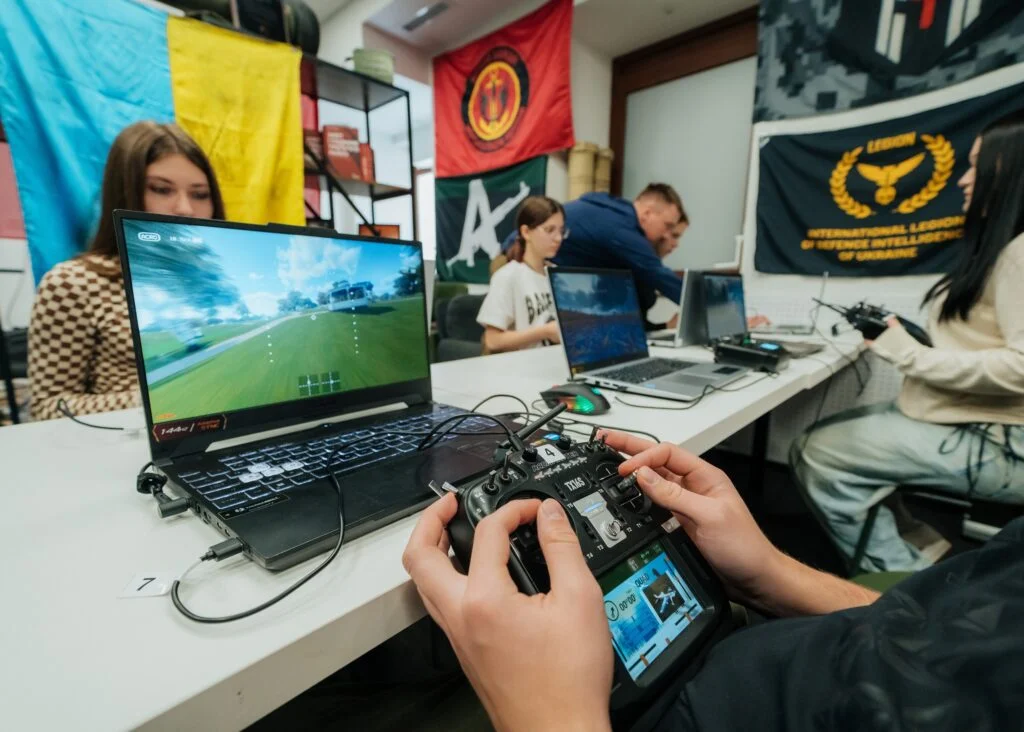
Halt offers many different services. You can come here like to a coworking space — to work, read books, fly for free on simulators, play PlayStation, or have coffee with your comrades. You can reserve space for free for strategic meetings, educational lectures, book presentations, or recruitment events. We have a podcast studio equipped with all the necessary gear, where you can come and record your podcast for free.
Among the units with which we hold regular events are the Special Operations Forces (SOF), the Unmanned Systems Forces (USF), the Kholodnyi Yar Brigade, the Ukrainian Air Force, the Special Operations Center “A” of the Security Service of Ukraine (SSU), the Main Intelligence Directorate of the Ministry of Defense, and others. The SOF, for example, take a very creative approach to their events at Halt, bringing various types of training weapons. This is something civilians definitely wouldn’t see in everyday life.
But it is also important that we help those units that are not in the media spotlight — the ones that don’t know how to handle communications effectively, how to organize events, and so on. If they have a request, we are ready to help: create a presentation, set up a Google Form, or reach out to people. We are ready to contribute more resources to organizational issues because we understand that this is one of our goals — to provide space and opportunities to those who need them. You can message us directly on our social media or email us at [email protected].
Which events featuring military units resonated most with visitors? Do you track the impact of these events, particularly on decisions to enlist?
We had an instance with the SOF when one of Halt’s visitors joined the unit as a communications specialist. We know that at least five people from our audience have joined Azov. On average, according to various units’ feedback, four to five people join them every month as a result of events at Halt. But these are already motivated people, who are already considering certain opportunities in the military for themselves. And we provide these opportunities.
One of the most popular events of this kind was a meeting with the SSU’s Special Operations Center “A.” It was the first time they had engaged with civilians in this way at all, and they chose to do it exactly at Halt, since it is a closed structure.
We had a record number of visitors that time. The servicemen shared little-known chapters of the Center’s history — from the anti-terrorist operations of the 1990s, when the unit’s core was formed, to their work on the front line and countering the enemy in the rear today.
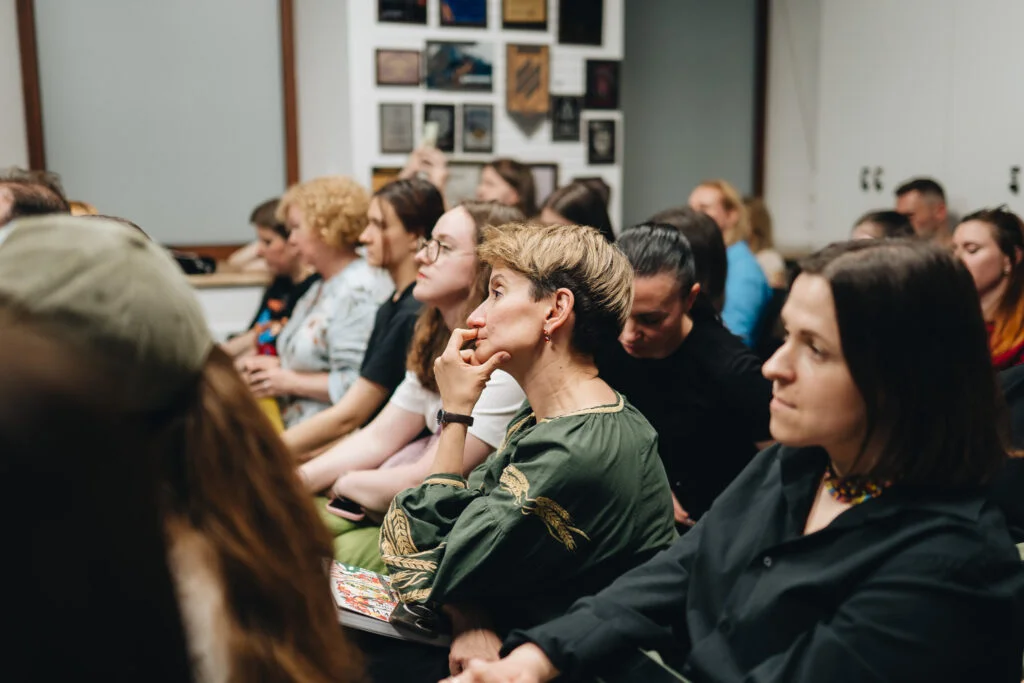
This is the very “gentle militarization” we are talking about, for this is a different level of interaction. It still does not commit you to anything. But it is important — to talk to real military personnel, not to be afraid to attend meetings with units, and to get to know them as if they were brands.
I’m sure many people find this interesting, but they are afraid and still carry some stigma, i.e., the fear that some kind of harsh mobilization is about to happen. But that definitely won’t be the case. Halt has no such goal. Our story is about being engaged with reality, learning whatever you want, or coming and getting to know whoever you want.
How do you define civil-military partnership for yourselves? What is it about?
For us, it’s a broad concept. It is more generally about any kind of interaction where civil society can contribute something to the military. The military, in turn, is equally involved in the development and militarization of civilians.
Both civil society and the military fear one thing — indifference. They fear that Ukraine will forget about the war. We have incorporated this into Halt’s strategy and are currently working on it. We are working to foster this sense of engagement and cohesion. This year, we plan to conduct in-depth interviews with military personnel to understand how civilians are helping them, how the business community is contributing, and what else is needed to make the partnership more effective. This is a win-win situation that can shape the future.
After all, if we think more strategically, we understand that any ceasefire will guarantee us absolutely nothing — except, so to speak, a countdown to the next phase of the conflict — and we need to prepare even more and even harder. Why not do this right now? Why not rally society? Why not bring together the military and civilians right now and accept this new reality?
Halt is already doing this, and this is our contribution to Ukraine’s Total Defense.
Where did the concept of Total Defense come from, and is it realistic to implement it in Ukraine?
Total Defense is an approach to national security in which the entire country — not just the military, but also the civilian population, businesses, and institutions — prepares for crises or war. Generally speaking, this concept originated in the Nordic countries and is most developed in Sweden, Finland, and, to some extent, Norway.
In these countries, it is implemented at the national level and then trickled down to schools and universities. In Ukraine, we are only at the beginning of this journey. For Halt, this is essentially a story about how we need to create products and package our military experience in such a way that they can be disseminated throughout the entire country.
And this is really about an open source — about our current ambition to build up our capacity to the point where civil society organizations, charitable foundations, and anyone who cares can then integrate these practices locally in their own communities.
We simply can’t do this on our own; we can’t cover such scale. That is why, for example, we are now reaching out to change multipliers, i.e., partners who can further spread this knowledge and experience.
One such case is our partnership with the Ministry of Education and Science of Ukraine, with which Halt signed a memorandum in 2026.
What experience of yours can you “package” and share at the national level right now?
This is our third product — the “Future Generation” project, which was launched in March 2025.
Schools are currently transforming the “Defense of Ukraine” course, but not all of them can afford to implement it effectively. Not all “Defense of Ukraine” teachers are able to teach first aid and provide firearms training, or teach high school students to fly UAVs in real-world conditions. That is why we brought together various partners, veteran instructors, and active-duty military personnel and created a practical “Defense of Ukraine” course, which we named “Future Generation.” It takes place at Halt.
The curriculum includes first aid training from PSD, cybersecurity, basic UAV engineering, flights on FPV simulators, educational lectures from the Azov Standard-Bearer Service, and lessons on civic responsibility from the “Maibutni” Democratic School. The USF even conducts hands-on UAV training at a training ground.
In 2025 alone, 230 students from four schools in the Kyiv region completed the “Future Generation” course. We are also pleased that the “Defense of Ukraine” teachers we work with are very proactive and take the initiative. They understand that Halt can offer children much more within its course.
In October, we validated this program with the Ministry of Education and Science. Now, we plan to work specifically with teachers. We want to help them master all these skills so that they can continue teaching children without our involvement. This is the kind of experience we want to spread throughout Ukraine.
These are 10th- and 11th-grade students who are now choosing their future. Where will they stay — in Ukraine or abroad? What will they become in Ukraine? It seems to me that “Defense of Ukraine” is the kind of foundational subject that, given our current reality, can help one make a certain choice and understand who they want to be in this new reality.
Have you observed any changes in the worldview of teenagers that occurred specifically after they completed the “Future Generation” course at Halt?
Yes, we see these changes even in the pre- and post-course surveys. There is more confidence in their answers. And that is very important, because some students from the Kyiv region faced occupation in 2022, and those memories are still quite traumatic for them. Hence, the ability to defend themselves is so valuable to them.
It is also about role models. The children see modern Ukrainian servicemen who are skilled at their jobs and who they want to emulate. There have been cases where, after the course, girls and boys said they wanted to become medics or UAV engineers. The main thing is that they want to stay in Ukraine.
Many have also changed their attitude toward consuming Russian content. This is very noticeable. Those who initially spoke Russian and could listen to Russian music said after the “Future Generation” course that they were ready to give it up.
In April 2025, a girl who had taken this course at Halt witnessed a car accident. Right after the course, she started carrying a first-aid kit with her and was able to provide first aid to a pregnant woman injured in the accident.
Later, the teenager told us that the adults around her were at a loss, but she knew what to do. Even if it wasn’t a full-fledged pre-medical intervention, she handled the stress, called an ambulance, and kept the injured woman from losing consciousness.
These are exactly the kinds of stories we are looking for — the ones where society is ready to step in during a crisis, where both teenagers and adults have basic training and can apply those skills.
What do you think the military space offers civilians besides practical skills? What advice would you give to those who want to replicate your experience?
Halt fosters a sense of community. By the end of 2025, we realized that a certain number of people may come to us 10–15 times. In other words, these are truly like-minded people, people of integrity, and people who care. That is when we created a private chat group — a sort of safe space where we can share news and fundraisers, as well as involve each other in projects. We already organize private events for our community and realize we’ll be 100% committed to this, because the community will only continue to grow.
What does this community offer? I think the thing is that it is hard to live in Ukraine right now if you are on your own. In our reality, it is tough to go it alone. That is why it is important to have someone who can support you, who is going through the same thing right now, who will lend a shoulder to lean on and tell you that everything will be fine.
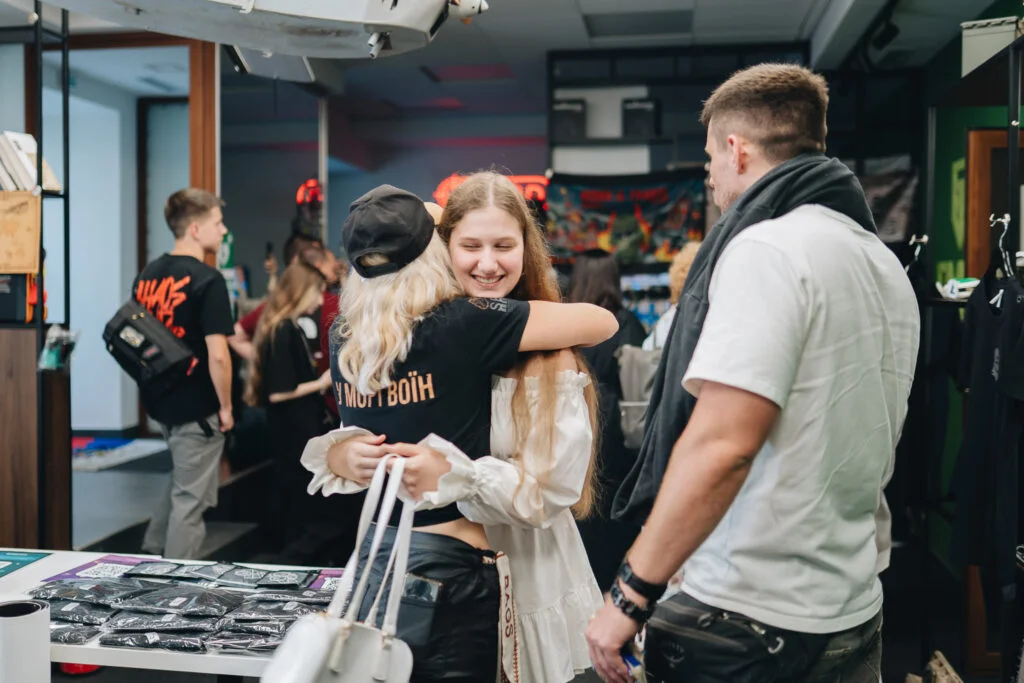
And I believe that the value of this Halt community lies precisely in not only facing reality, but also dealing with it together — coming together, supporting each another, and reflecting.
From the very beginning, Halt was a response to the needs of the military. Now, it is also a response to the needs of civilians. There is a space, with a community of integrity forming around it, comprising military personnel and civilians. We try to listen to both of them and provide what can enrich them mutually.
And if you want to create a similar space, we are more than open to sharing this experience, since military spaces are a new and unique phenomenon, and we’d like to see more of them.